

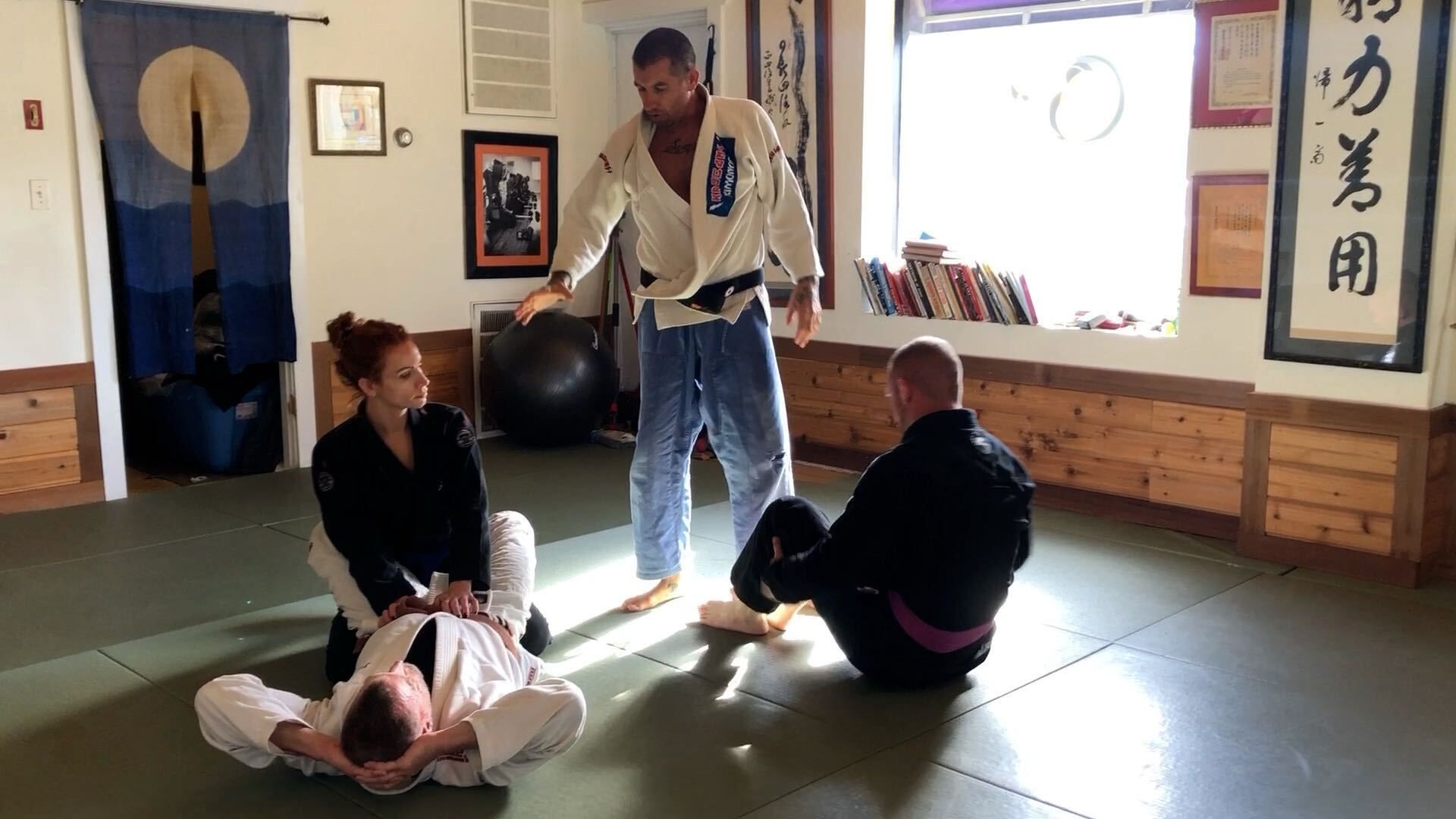
A training room can be one of the few places where confidence is earned, not performed.
Confidence can feel slippery in the teen years. One week your teen is on top of school, friends, and everything else, and the next week even simple decisions feel heavy. We see that reality all the time, and it is a big reason families in Northport keep looking for something that builds real self-belief, not just temporary hype.
Brazilian Jiu-Jitsu gives teens a practical way to grow confidence because progress is measurable. Techniques either work or need refinement. Your teen learns how to stay calm under pressure, solve problems with a partner, and keep showing up even when something is hard. Over time, that changes how your teen carries themselves in everyday life.
There is also hard data behind what we notice on the mats. In youth programs, parents report confidence improvements as high as 96.4 percent, along with reduced anxiety and stronger commitment. Those are big numbers, but they make sense once you understand how training is structured and why the process works.
The hero stat: confidence gains that match what we see on the mats
If you are wondering whether this is just another activity that sounds good on paper, here is the simplest proof point: in research on youth martial arts participation, parents reported confidence gains for 96.4 percent of participants. That kind of consistency across families is rare, and it lines up with what we watch unfold in our teen classes.
The confidence is not only emotional. It is built through competence. Teens learn how to move their body with purpose, how to problem-solve in real time, and how to handle discomfort in a controlled setting. That combination creates a steadier kind of confidence, the kind that shows up in posture, eye contact, and better decision-making.
And because progress is gradual, teens do not have to start out fearless. We would rather see a beginner walk in unsure and leave class thinking, I can do hard things, than walk in cocky and learn nothing. The best confidence is earned, not borrowed.
What confidence looks like for teens in training
Confidence is not just feeling good. For teens, confidence shows up in daily moments when nobody is clapping: answering a question in class, setting a boundary with a friend, trying out for a team, or handling a difficult conversation without melting down.
In our room, confidence often starts as small wins. A teen learns a basic escape, hits it correctly with a partner, and realizes technique can beat panic. Another teen survives a tough round, not by overpowering anyone, but by breathing and staying present. These moments are quiet, but they stack up.
We also see social confidence grow in a very specific way. Partners rotate. Everyone trains with different body types and personalities. Teens learn to communicate, listen, and reset after mistakes. It is normal to tap, laugh a little, ask questions, and try again. That normalizes learning, which is a big deal for teens who feel pressure to be perfect.
Why Brazilian Jiu-Jitsu builds real confidence, not fake toughness
Brazilian Jiu-Jitsu is often called the gentle art, but it is honest. You cannot bluff your way through it. That is part of why it builds durable confidence instead of performative bravado.
Here is what makes the confidence stick:
• Skill mastery is obvious: A technique works in live training or it does not, so growth is clear and earned.
• Belts and goals create structure: Promotions are milestones that reflect time, consistency, and improved ability.
• Training is pressure-tested safely: Controlled sparring teaches teens to stay calm and think while tired.
• Humility is baked in: Everyone taps sometimes, which keeps egos from running the show.
• Community reinforces effort: A supportive room makes teens more willing to take healthy risks and keep learning.
Research also suggests BJJ practitioners can show stronger confidence gains than participants in more traditional martial arts formats. In plain language, the problem-solving and live practice in Brazilian Jiu-Jitsu tends to translate powerfully into self-belief.
A teen journey we see often: from nervous beginner to steady, capable student
Most teens do not walk in feeling like an athlete. A lot arrive stiff, quiet, and unsure where to stand. That is normal. We orient beginners carefully, pair them with training partners who can help them settle in, and keep early lessons focused on survival skills and basic movement.
After a few weeks, teens usually start to recognize the rhythm of class. Warm-ups feel less confusing. They know how to breakfall, how to grip correctly, and how to move without freezing. That alone can be a huge shift for a teen who feels awkward in their body.
Somewhere around a few months in, you might notice changes outside the gym. Parents tell us teens seem a little more grounded. They handle frustration better. They recover from a tough day faster. That is resilience, and it is trainable.
Then the bigger change happens: confidence becomes a habit. Teens start setting goals on their own, like attending consistently, improving a specific position, or earning the next belt. Confidence stops being a mood and becomes a pattern of action.
The science-backed benefits: resilience, self-control, and less anxiety
Confidence is the headline, but it is not the only psychological benefit that shows up in research and in our teen classes. Studies from recent years point to improvements in self-efficacy, mental strength, grit, resilience, and life satisfaction. Importantly, those benefits tend to increase with training experience and rank.
That matters for teens because so many of their challenges are endurance-based. School stress is not a one-time test, it is months of deadlines. Social pressure is not a single event, it is ongoing. Training teaches teens how to stay consistent, regulate emotions, and keep trying, which is exactly what daily life demands.
Parents also report reduced anxiety, with figures around 87.5 percent in youth samples. We never present training as a replacement for mental health care, but we do see how movement, structure, and supportive coaching can reduce the intensity of stress for a lot of teens.
A helpful timeline to understand is that noticeable benefits often emerge after a period of consistent attendance. Studies show improved self-control in adolescents after roughly five months when training two or more times per week. That is not overnight, but it is realistic, and it is encouraging because it means you can plan for it.
How our teen training is structured for confidence
Confidence improves faster when teens know what to expect. Our classes follow a structure that gives teens repetition, clarity, and gradual challenge.
Most classes include technique instruction, drilling with a partner, and controlled live training. We keep the environment focused and respectful. Teens learn how to be safe partners, how to communicate during practice, and how to separate intensity from aggression.
We also teach that tapping is part of learning. If your teen is perfectionistic, this becomes a relief. There is no shame in tapping, resetting, and trying again. That mindset is one of the best confidence builders we know.
And because we also train Judo alongside Brazilian Jiu-Jitsu, teens can develop well-rounded ability: balance, throws and breakfalls, grip fighting, and mat control. For many teens, that variety keeps training interesting while reinforcing the same underlying lesson: composure creates options.
Getting started: what teens should expect in the first month
Starting anything new can be a hurdle for teens. We keep the first month approachable, and we encourage you to focus on consistency rather than perfection. Here is a simple roadmap that tends to work well:
1. Week 1: Learn basic movement, safety, tapping, and a few core positions so class feels understandable.
2. Week 2: Start connecting techniques, drilling with more confidence, and asking questions without feeling awkward.
3. Week 3: Add light, controlled sparring with clear boundaries so your teen experiences success under pressure.
4. Week 4: Notice early changes in posture, focus, and willingness to persist, even when a drill is challenging.
5. Ongoing: Set a realistic schedule, track progress through small goals, and let belt milestones mark the bigger steps.
If your teen trains two to three times per week, this pace typically creates momentum without burnout. Even once a week can help, but consistency is what turns skills into confidence.
Confidence beyond the mats: school, friendships, and boundaries
What teens learn in Brazilian Jiu-Jitsu transfers because the lessons are practical. When a teen learns to breathe while pinned, they are practicing emotional regulation. When a teen works for an escape step by step, they are practicing problem-solving. When a teen loses a round and comes back, they are practicing recovery.
That shows up at school as better follow-through. It can show up socially as stronger boundaries, because your teen learns that calm firmness is more effective than drama. It can also show up as less fear of failure, because training normalizes mistakes as part of progress.
We also like that Brazilian Jiu-Jitsu teaches non-violent confidence. The goal is not to dominate people in real life. The goal is to know you can handle yourself, and to carry that certainty quietly.
Frequently asked questions about teen Brazilian Jiu-Jitsu in Northport
Does Brazilian Jiu-Jitsu really build confidence, or is it mostly physical?
It builds confidence through accomplishment. Teens learn skills, test them safely, and earn progress through effort. Research reports very high confidence gains in youth participation, and we see the same pattern in training.
How soon will we notice changes?
Many families notice early shifts within a few months, especially with steady attendance. For deeper changes like stronger self-control and resilience, research suggests about four to six months of training two or more times per week can make a meaningful difference.
Is it safe for beginners?
We prioritize control and partner safety. Teens learn how to tap, how to drill responsibly, and how to train with respect. Safety is part of the curriculum, not an afterthought.
Will this help with anxiety or stress?
Many teens find training reduces stress because it provides structure, physical activity, and a supportive community. Research shows a high percentage of youth reports anxiety reduction, and we routinely see teens leave class calmer than when they arrived.
Can parents train too?
Yes. If you want a shared activity or you are curious yourself, our Adult Brazilian Jiu-Jitsu Northport options make it realistic for families to train in parallel while focusing on age-appropriate coaching for teens.
Take the Next Step
If your goal is to help your teen feel steadier, more capable, and more confident in everyday life, we built our teen program to deliver exactly that, one class at a time. The mix of Brazilian Jiu-Jitsu fundamentals, safe live practice, and a respectful training culture gives teens a place to grow without needing to pretend they have it all figured out.
When you are ready, OM Brazilian Jiu-Jitsu & Judo is here in Northport with a clear class schedule, beginner-friendly onboarding, and coaching that emphasizes confidence through real skill, not empty motivation.
If you want to understand our programs and how Brazilian Jiu-Jitsu Northport training is structured for beginners, explore details on the programs page.